
National Agriculture Centre holds interactive workshop for farmers from across Fujairah
UAE Farmers, our foremost partners – NAC’s programme of farmer meetings and workshops continues
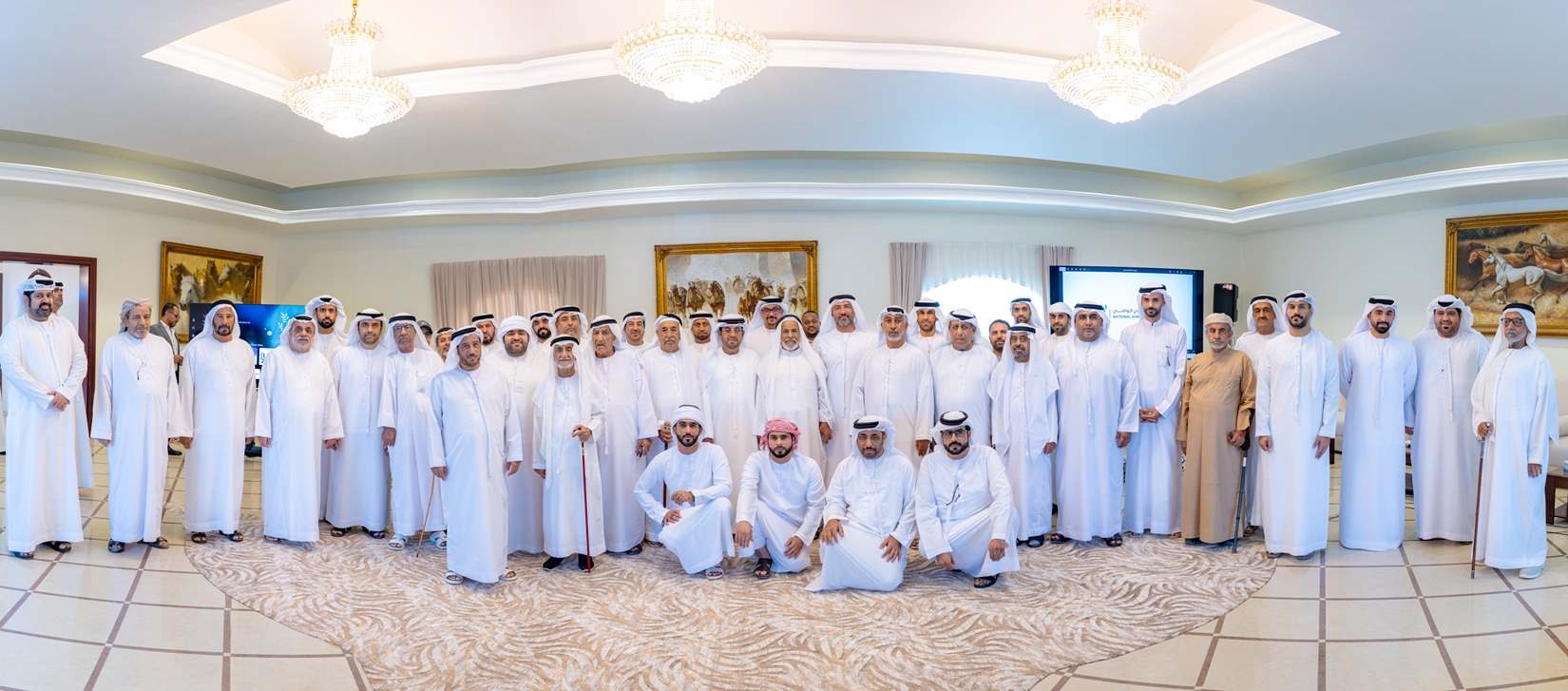
The second in a series of direct farmer workshops from the NAC - strengthening dialogue, raising awareness of its services, and introducing the Centre’s initiatives.
United Arab Emirates, 16 August 2026:
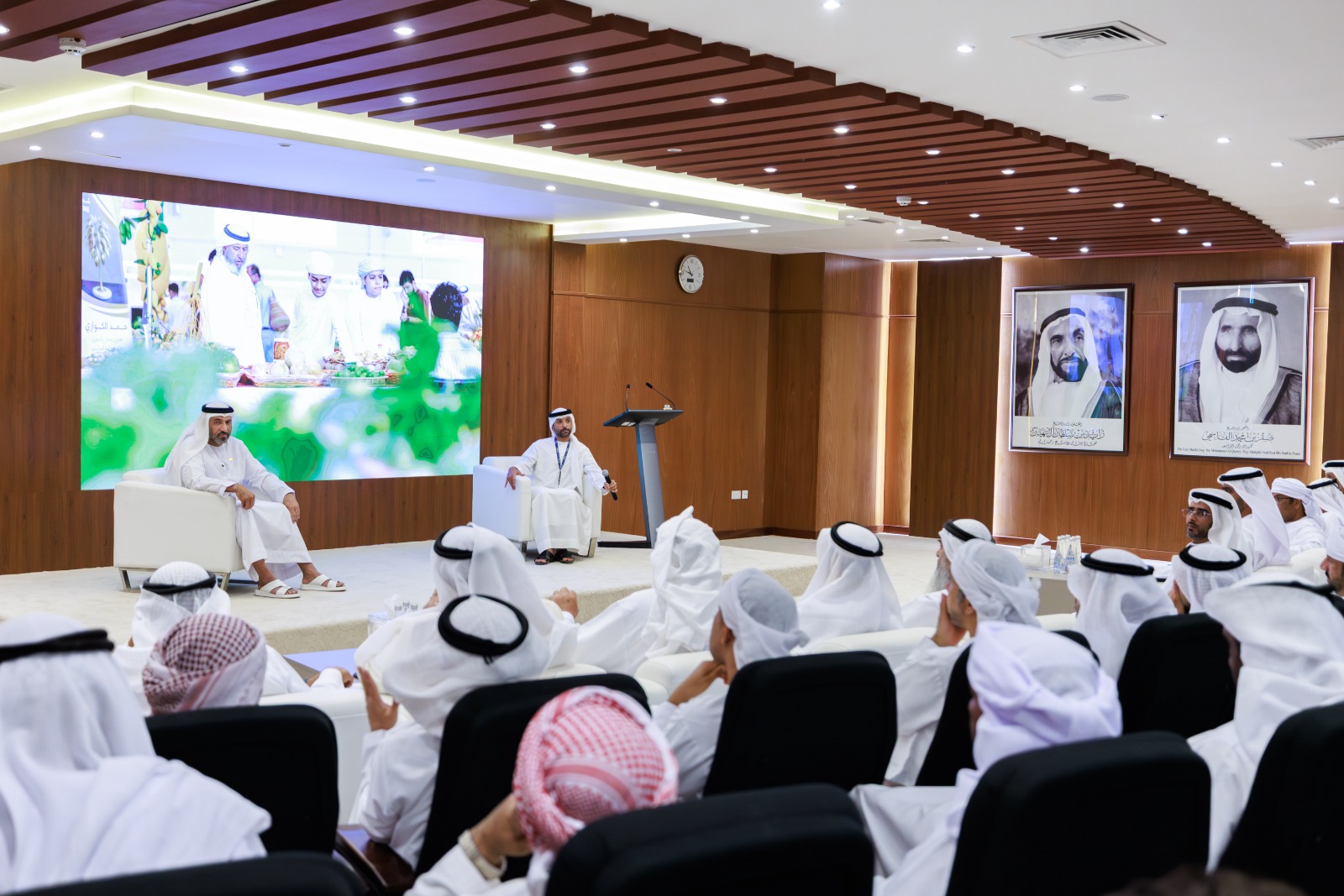
Ahead of the new growing season, the National Agriculture Centre (NAC) held an interactive workshop in Dibba, Fujairah, as part of its ongoing series of farmer meetings and awareness sessions. The workshop coincides with the date?marketing season, and with farmers preparing their land, maintaining irrigation systems, and securing essential production inputs for the season ahead. It reflects the Centre’s continued commitment to maintaining open dialogue with farmers and supporting them through various stages of production, in collaboration with relevant local entities.
Held at the Dibba Society For Culture Arts & Theatre, Dibba Fujairah Theatre, the workshop brought together farmers from across Fujairah and the eastern regions of Ras Al Khaimah to discuss their needs and challenges, and to introduce the services and initiatives NAC offers to support farmers and advance the agricultural sector.
The second workshop of its kind, it forms part of NACs regular meetings with farmers across the UAE – held to recognise their vital role in developing the UAE’s agricultural sector, strengthening local production and advancing its long-term sustainability. This helps NAC develop solutions and programmes more closely tied to the on-ground realities of the sector.
These efforts align with the UAE’s ambitious vision to empower farmers, enhance their contributions towards strengthening national food security, and advance the objectives of the ‘Plant the Emirates’ national programme - encouraging the adoption of modern technologies and sustainable practices, and raising the efficiency of local agricultural production.
The workshop offered a platform for direct dialogue and expertise exchange on developing farms and improving the quality of UAE-grown produce. Participants discussed production, marketing and agricultural services, as well as initiatives to make farms more efficient and sustainable through the adoption of technologies for managing resources and operations.
A key focus was NAC’s Integrated Agricultural Centres project, which brings an integrated range of agricultural services closer to farmers - extension and technical support, production inputs, as well as linking production with packaging, marketing and distribution. The project makes technical, operational, and marketing services more accessible to farmers, while enhancing the efficiency of the agricultural value chain.
The workshop also highlighted the Al Hamraniyah Centre in Ras Al Khaimah, delivered in collaboration with Silal to improve services and strengthen value chains for local produce. Silal walked farmers through how to register, and the benefits marketing produce through the Centre, with its representatives answering their questions on marketing processes, pricing and payment disbursement mechanisms.
Farmers were also introduced to the UAE Good Agricultural Practices (UAE G.A.P.) programme, - a national framework for implementing best agricultural practices based on approved international standards, improving product quality and safety, and raising production efficiency.
The programme runs in cooperation with the Abu Dhabi Agriculture and Food Safety Authority (ADAFSA), as part of integrated national efforts to expand the adoption of good agricultural practices. UAE G.A.P. certification helps farmers meet quality, safety and traceability requirements, build lasting relationships with retailers and supply chains, reach new markets and reduce the cost of farming operations.
The NAC team also briefed participants on the programme registration process – from enrolment procedures, required documents and data, to applying the practices, field assessment and certification requirements. The programme drew strong interest from farmers, with several signing the preliminary agreement to register for UAE G.A.P. certification on the day.
Sultan Salem Al Shamsi, Director General of NAC, said that strengthening collaboration and establishing an integrated agricultural ecosystem across public and private sectors is essential to advancing the UAE’s agricultural ecosystem – one in which UAE farmers are a pivotal partner in shaping impactful agricultural services and initiatives, that respond to their needs, and support the sustainability of their farms.
He stated: “Through ongoing direct engagement with farmers, we strive to understand on-ground challenges and gather suggestions for improvement - strengthening cooperation, building trust and helping us develop innovative programmes which respond quickly to the sector’s changing priorities.”
Al Shamsi added: “The UAE Good Agricultural Practices programme is a practical step that helps farmers develop the way they operate and ensure their produce meets market requirements. This strengthens their ability to access new marketing channels and build lasting partnerships across supply chains.”
He noted how farmers' strong interest in registering for the programme demonstrates their dedication to improving their farms and raising the quality of their produce, and affirmed that the Centre remains steadfast in supporting them throughout the registration, qualification, and assessment stages, culminating in certification and successful market entry.
Al Shamsi added that the Integrated Agricultural Centres connect various stages of the agricultural value chain, from planning, production and technical guidance through to post-harvest operations, marketing and distribution. This enables farmers to improve quality, meet market requirements and reach new marketing channels.
The workshop closed with an interactive discussion on the main challenges facing farmers across production, services and marketing stages, along with answers to their questions about the Centre’s initiatives and programmes. The feedback and suggestions shared will shape NAC’s services and programmes in its next phase sharpening its responsiveness to farmers’ needs as well as elevating the competitiveness and sustainability of the UAE’s agricultural sector.
-Ends-